The Best Online Schools for Criminal Justice Degrees
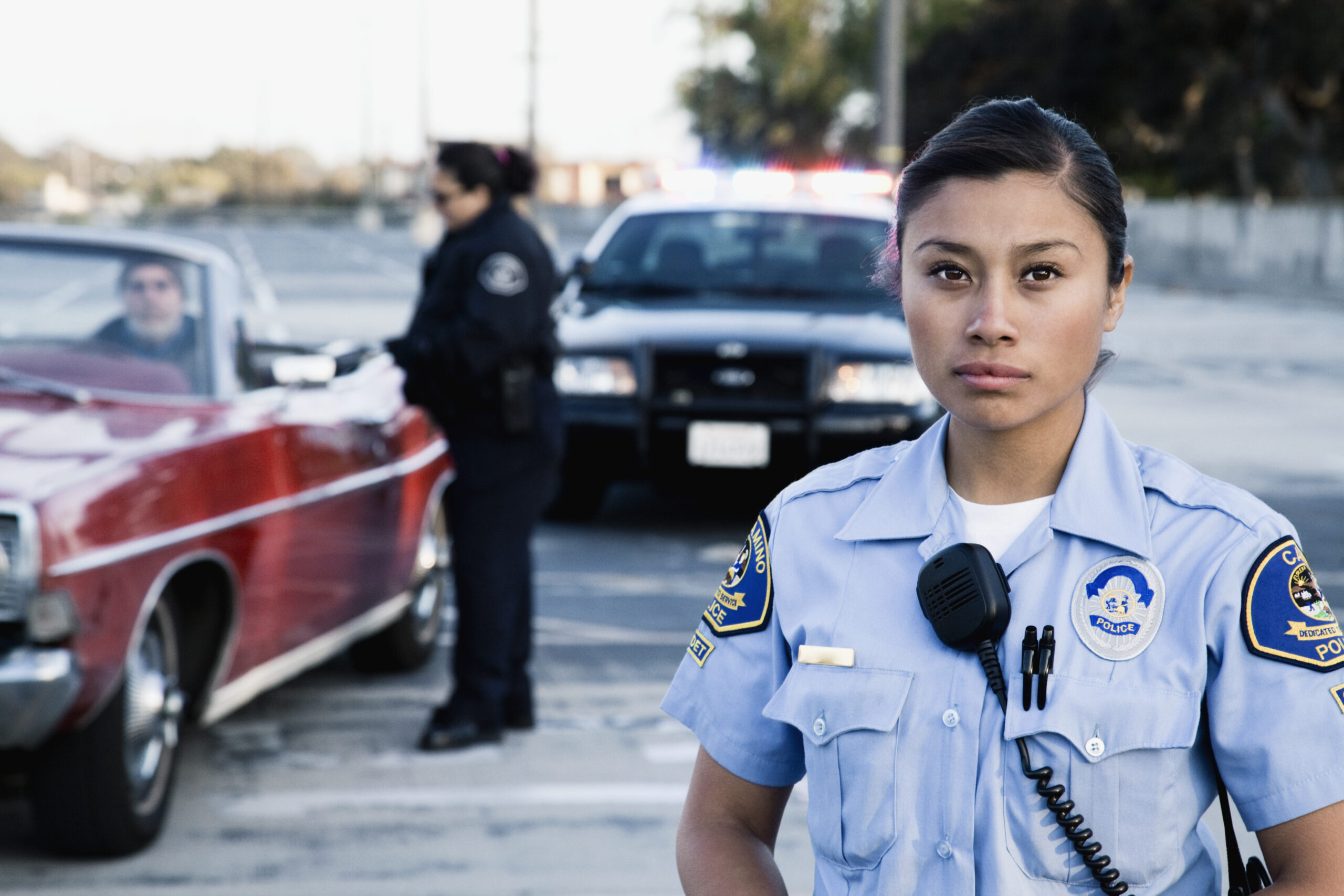
The criminal justice system plays a critical role in maintaining a fair and peaceful society. It includes various professions within law enforcement, court and legal services, corrections, and rehabilitation.
If you’re interested in these careers, you can pursue an online bachelor’s degree in criminal justice. These programs usually require four years of full-time study and include diverse classes like juvenile delinquency, criminology, and psychology.
The following guide explores college application requirements, concentration options, and potential jobs for criminal justice majors. Keep reading to discover the best online schools for criminal justice that can help prepare you to protect and serve your community.
10 Best Online Schools for Criminal Justice Bachelor’s Degrees
How We Chose These Schools
At TheBestSchools, we use trusted data from the U.S. Department of Education to evaluate schools without bias. Our ranking methodology helps prospective students from various backgrounds find the best fit. We consider key factors like academic quality, online offerings, and affordability so every type of student can find the best fit for them.
This ranking is from 2023. Learn more about how our formula works on our ranking methodology page.
What Is a Criminal Justice Degree?
Many criminal justice programs ground you in a liberal arts foundation, enabling you to pursue public and private sector careers in all levels of government.
The curriculum emphasizes the complexities of the American criminal justice system, covering law enforcement, the courts, and corrections. Using criminological theories, you explore crime and deviant behavior from a sociological perspective. Programs may also offer criminal justice internships at local and state government agencies and nonprofits.
You can pursue a bachelor of science (BS) or a bachelor of arts (BA) in this field. There are usually only minor differences between these options: For instance, a liberal arts-focused BA degree may require foreign language coursework, while a STEM-centered BS may not.
Total Credits
120 credits
Length
4 years (full time)
Average Tuition and Fees
$8,504 per year*
*Average includes security, law enforcement, firefighting, and related protective services bachelor’s programs.
Criminal Justice Degree Concentrations
As a criminal justice major, you can enjoy greater career relevance when you pursue concentrations within the field. Much like a minor, specializations allow you to explore subjects that fall within or intersect with criminal justice. Common concentrations include:
- Homeland Security: This specialization focuses on protecting the nation from threats like terrorism through border security, emergency management, and intelligence analysis.
- Forensic Science: A forensic science concentration applies scientific principles and techniques to investigate crime scenes, collect and analyze evidence, and aid in solving criminal cases.
- Criminology: Enrollees examine the causes, effects, and prevention of crime by studying the social, psychological, and economic factors that contribute to criminal behavior.
- Cybersecurity: This focus covers safeguarding digital systems, networks, and data from cyberthreats and attacks. Assignments cover methods of preventing, detecting, and responding to cyberincidents.
- Criminal Justice Administration: Coursework in this concentration covers the management and leadership aspects of the criminal justice system. Classes focus on policy development, organizational management, budgeting, and decision-making in law enforcement agencies and correctional institutions.
Why Earn Your Criminal Justice Degree Online?
Data from the National Center for Education Statistics (NCES) reveals 10.1 million college students nationwide took at least one online course in 2022, including 4.9 million students enrolled exclusively in distance education classes. The advantages of online learning make it a popular option to pursue a college degree. Online programs offer the same quality and education as on-campus programs with added benefits, such as:
- Potentially lower tuition, even if you live out of state
- Flexible learning format
- Self-paced options
- No commutes to campus
- Greater diversity in classrooms
- Better work-life balance, especially for parents and caregivers
- More college options
How to Get an Online Criminal Justice Degree
Each online criminal justice program has its own requirements and preferences when reviewing candidates. However, most institutions require applicants to hold a high school diploma or an equivalent, like a GED certificate. Additional materials like those listed below are also common components of college applications.
Online criminal justice schools usually look for courses that prove college readiness in math and English. Many institutions stipulate a minimum 2.0-2.7 high school GPA. If you do not meet GPA minimums, some schools consider standardized test scores or placement exams.
No matter your academic background, colleges may prefer criminal justice majors who participated in diverse extracurriculars, including sports, language clubs, and music groups. Criminal justice candidates can focus specifically on psychology, law, forensics, or debate clubs. Volunteer experience can also bolster applications by showing your commitment to your community.
Many schools require you to submit a self-reflective essay about your experiences. Consider discussing your interest in criminal justice as a major and career path to help the admissions committee understand what drives you.
Undergraduate degree-seekers may need recommendation letters from educators, mentors, and other nonfamily professionals.
Many institutions have made ACT and SAT scores optional, while others request scores only if your GPA does not meet required minimums. Generally, schools look for scores totaling at least 20 for the ACT or 1030 for the SAT. If you have earned these scores — or higher — you can submit them to boost your applications, even if not required.
What Can You Do With a Bachelor’s in Criminal Justice Degree?
With a bachelor’s degree in criminal justice, you can pursue work in many different settings, such as police departments, law offices, and correctional facilities. Popular criminal justice jobs include police officer, probation officer, and corrections officer.
Many federal agencies prefer candidates who hold bachelor’s degrees. Even for professions that only require a high school diploma, a college degree can often lead to higher pay.
The list below includes a few career paths for criminal justice degree-holders.
Patrol Officer
Across the country, there are 796,800 police and sheriff’s patrol officers — the largest subsector of law enforcement. Patrol officers ensure the safety of people and property by enforcing laws at the city, county, or state levels, depending on their jurisdiction. A background check, physical examination, and psychological evaluation may be necessary for employment.
Probation Officer
Pursuing a bachelor’s in criminal justice can lead to probation officer careers. While on duty, these officers aid in the rehabilitation of parolees and probationers. They also provide testimony in court.
FBI Special Agent
- Average Salary Range: $81,000-$129,000
- Job Growth (2023-33): N/A
The FBI accepts special agent candidates with bachelor’s or master’s degrees in criminal justice. A major in criminal justice can help prepare professionals for diverse special agent responsibilities, including carrying out a search warrant, overseeing lab services, testifying in court, and gathering evidence. FBI special agents can also pursue advanced managerial positions.
Crime Scene Technician
A criminal justice degree with a specialization in crime scene investigation can help qualify you for technician roles. Crime scene techs collect evidence for criminal trials, compile reports, and maintain precise records. These professionals are experts in taking exact measurements; photographing crime scenes; and processing evidence like fingerprints, blood, and firearms.
Digital Forensics Analyst
- Average Annual Wage (2025): $70,430
- Job Growth (2023-33): N/A
A criminal justice curriculum that focuses on digital forensics can prepare you to enter the cybersecurity field. Digital forensics analysts combine general forensic skills like analyzing and preserving evidence with computer network defense tactics to investigate computer security events.
FAQ About the Best Schools for Criminal Justice
What college has the best criminal justice program?
The best criminal justice program depends on your interests and career plans. For example, aspiring law officials might prefer the police officer training at McNeese State University, while social justice advocates might enjoy the diversity of the criminal justice courses at Penn State World Campus.
How long does a bachelor’s degree in criminal justice take?
Completing a bachelor’s degree in criminal justice as a full-time student typically takes four years. Part-time students take longer, depending on their credit load each semester.
How much does an online bachelor’s in criminal justice cost?
The average annual tuition cost of an online bachelor’s degree in protective services is $8,504 as of 2020, according to NCES data. Across four years, this figure totals $34,016. Factors that impact how much you pay for your degree include scholarships, grants, and state residency status at public institutions.
Is a criminal justice degree worth it?
A criminal justice degree can be worth it if you’re interested in building your knowledge of the field while qualifying yourself for advanced, higher-paying roles. For example, bachelor’s graduates can pursue careers in law enforcement, social work, and even the court system. In these sectors, a relevant degree is often required.
Upon completing a criminal justice bachelor’s degree, you can also pursue advanced studies. With a master’s in social work, you can pivot into a career as a forensic social worker. A master’s in cybercrime can lead to advanced opportunities and higher pay within the digital forensics and cybersecurity sector.
Law school is another option after completing a criminal justice undergraduate program. Law students with a juris doctor degree can specialize in criminal law or other subfields like intellectual property, corporate, health, or tax law.
Is criminal justice a hard major?
The difficulty of a criminal justice major varies depending on individual strengths and interests. It involves studying law, criminology, ethics, and other aspects of the criminal justice system. While it can be challenging, students who are passionate about the field and willing to put in the effort can succeed.