Best Online Bachelor’s in Forensic Psychology
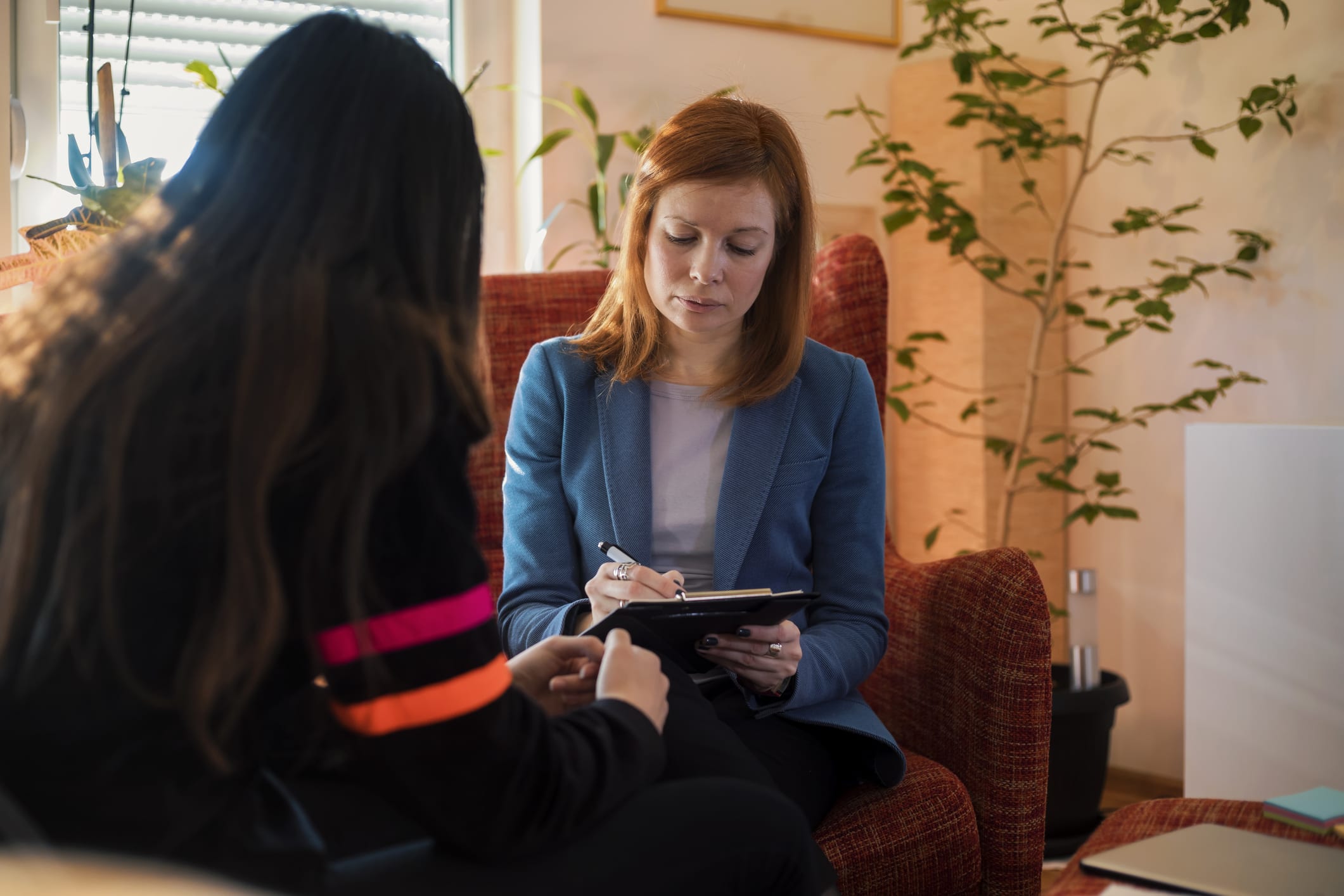
Forensic psychology degrees combine practical, technical training in criminology and forensics with traditional psychology education.
Psychology offers many specializations that prepare graduates to pursue rewarding work in growing fields. One such concentration is forensic psychology, a subfield that combines criminology with the psychological analysis of human behavior.
For psychologists in general, the Bureau of Labor Statistics (BLS) projects an employment growth rate of 6% — faster than the national average for all professions. A degree in forensic psychology can put you on track for this calling, especially if you are interested in working in law enforcement.
Read on for our ranking of the best online bachelor’s in forensic psychology programs, plus statistics on salary rates in the field.
The Best Online Bachelor’s in Forensic Psychology Programs
Online Bachelor’s in Forensic Psychology Programs Ranking Guidelines
We ranked these Bachelor’s in Forensic Psychology programs based on quality, curricula, school awards, rankings, and reputation.
Rankings MethodologyWhat Is an Online Bachelor’s in Forensic Psychology Degree?
A bachelor’s degree in forensic psychology mixes criminal justice studies with psychology, preparing prospective licensed psychologists for further schooling in forensic psychology, and criminal justice majors for employment upon graduation. Some schools offer this niche degree as a concentration within their psychology or criminal justice programs.
Topics covered by a bachelor’s degree in forensic psychology include critical thinking, relevant case law and courtroom procedure, and psychological theory and practice. Graduates can use their understanding of criminal psychology and behavior to weigh in on court cases and identify suspects. They also learn the limits of what help they can offer.
Choosing an Online Program
When choosing a forensic psychology school or an online forensic psychology bachelor’s program, be sure to consider each program’s cost, duration, and residency requirements. You can learn more about how to choose an online degree that fits your unique situation by following the link below.
What Else Can I Expect From a Bachelor’s in Forensic Psychology Program?
A bachelor’s in forensic psychology covers the basics of clinical psychology, including introductory coursework on human development and counseling methodology. They also investigate legal and ethical issues in forensic psychology and the psychology of criminal behavior.
Bachelor’s in Forensic Psychology Curriculum
- Psychology and Law: This course investigates how theory, research, and practice in psychology relate to the legal system and the law, especially as they pertain to criminal, civil, and domestic dispute issues. Students explore case law surrounding topics like domestic abuse, civil violations, and corporate crime, and learn how psychologists can play a role in ensuring cases are conducted fairly.
- BioPsychology: In this course, students learn about the physical processes in the brain and nervous system that affect human behavior and mental states. Topics include sensory and motor systems, molecular mechanisms of neurotransmission between cells in the brain, and neurodevelopment. This course often has a lab component.
- Criminal Behavior: Forensic psychology majors usually take a few courses on the physiological, cognitive, and learning factors behind criminal behavior. Students learn why people choose to commit crimes and how psychological processes like rationality impact abnormal criminal behavior.
Forensic Psychology Careers
A bachelor’s in forensic psychology degree provides a strong foundation for a variety of jobs. For some, the degree is a stepping stone toward becoming a licensed psychologist with ABPP certification. Others earn the degree to augment a criminal justice career.
The following list compiles the most popular careers pursued by graduates with a bachelor’s in forensic psychology.
Psychologists
Most psychologists working in non-clinical settings are counseling psychologists, helping patients overcome mental, social, and emotional concerns. Specializations within this field include rehabilitation, cognitive-behavioral psychology, and couples and family psychology. All psychologists must earn a doctoral degree and state licensure in order to work as psychologists, and ABPP certification can help them practice in a specific field.
Psychology careers appeal to people who get satisfaction from helping others overcome physical, mental, and social problems or who finds the workings of human behavior and thought fascinating.
Criminal Investigators
Criminal investigators — also called detectives — gather facts and collect evidence to help solve possible crimes. Many of these professionals have at least an associate degree in a discipline like forensic psychology or criminal justice, though some only go through police academy training. Criminal investigators must also complete special training at a police academy and have two years of experience in law enforcement.
Criminal investigation work usually appeals to people with strong research and analysis skills. These professionals spend a fair amount of time cataloging evidence and completing paperwork in an office setting, though they must also conduct onsite visits to crime scenes in order to collect information and interview witnesses.
Clinical Psychologists
Clinical psychologists focus on serious pathologies in mental and behavioral health. They often work in hospitals or mental and behavioral health facilities, helping people suffering from serious emotional and mental disturbances. Forensic psychology is a subfield of clinical psychology; forensic psychologists often conduct individual and group therapy with incarcerated people and provide expert testimony about criminal psychology in court.
Clinical psychology requires fortitude and empathy to effectively help people cope with behavioral issues and successfully navigate society.
Forensic Psychology Professional Organizations
Recent graduates and seasoned professionals alike can benefit from joining professional organizations, which offer networking opportunities, continuing education, and job search assistance. In a niche field like forensic psychology, access to a profesisonal community can help graduates find jobs in forensic psychology.
American Psychology-Law Society
AP-LS promotes integration of psychology into the practice and understanding of law and legal institutions through education and research. Student members must be enrolled in a social or behavioral science program to qualify. Members receive a newsletter and online access to the journal Law and Human Behavior.American Board of Professional Psychology
ABPP provides specialty certification for doctoral-level licensed psychologists in 15 areas, including forensic, clinical, and police and public safety psychology. Events and conferences open to ABPP-certified professionals include continuing education workshops from the American Academy of Forensic Psychologists. ABPP also offers online resources for networking and referrals.American Psychological Association
The APA works toward the advancement of psychological science, representing and advocating for over 121,000 members across specialties. Resources available to APA members include continuing education webinars, access to the organization’s annual conference, and an array of grants and scholarships tailored to psychology and behavioral science majors.Frequently Asked Questions
How Long Does It Take to Complete a Bachelor’s in Forensic Psychology Program?
It typically takes four years to earn a bachelor’s in forensic psychology. However, your course load influences completion time; part-time students take longer to graduate than full-time students.
What Can I Do With a Bachelor’s in Forensic Psychology?
A bachelor’s in forensic psychology can prepare you for a career in non-licensed work in criminal justice or to pursue a graduate degree in psychology or forensics.
Is a Forensic Psychology Degree a BA or a BS?
It can be either. A BA in forensic psychology explores general education and social sciences, while a BS in forensic psychology is more clinically focused.
Which Psychology Concentration Is the Best?
Every psychology student is different, and what concentration is best for them differs. When selecting a concentration for your psychology bachelor’s, master’s, or doctoral degree, it is best to pick one aligned with your intellectual interests and career goals.
Is a Forensic Psychology Degree Worth It?
A forensic psychology degree might seem like a big investment, but it’s the fastest way to gain qualifications for a career in psychology and forensics.
Image Credit: Sladic | Getty Images