The Best Online Master of Divinity (MDiv) Degree Programs
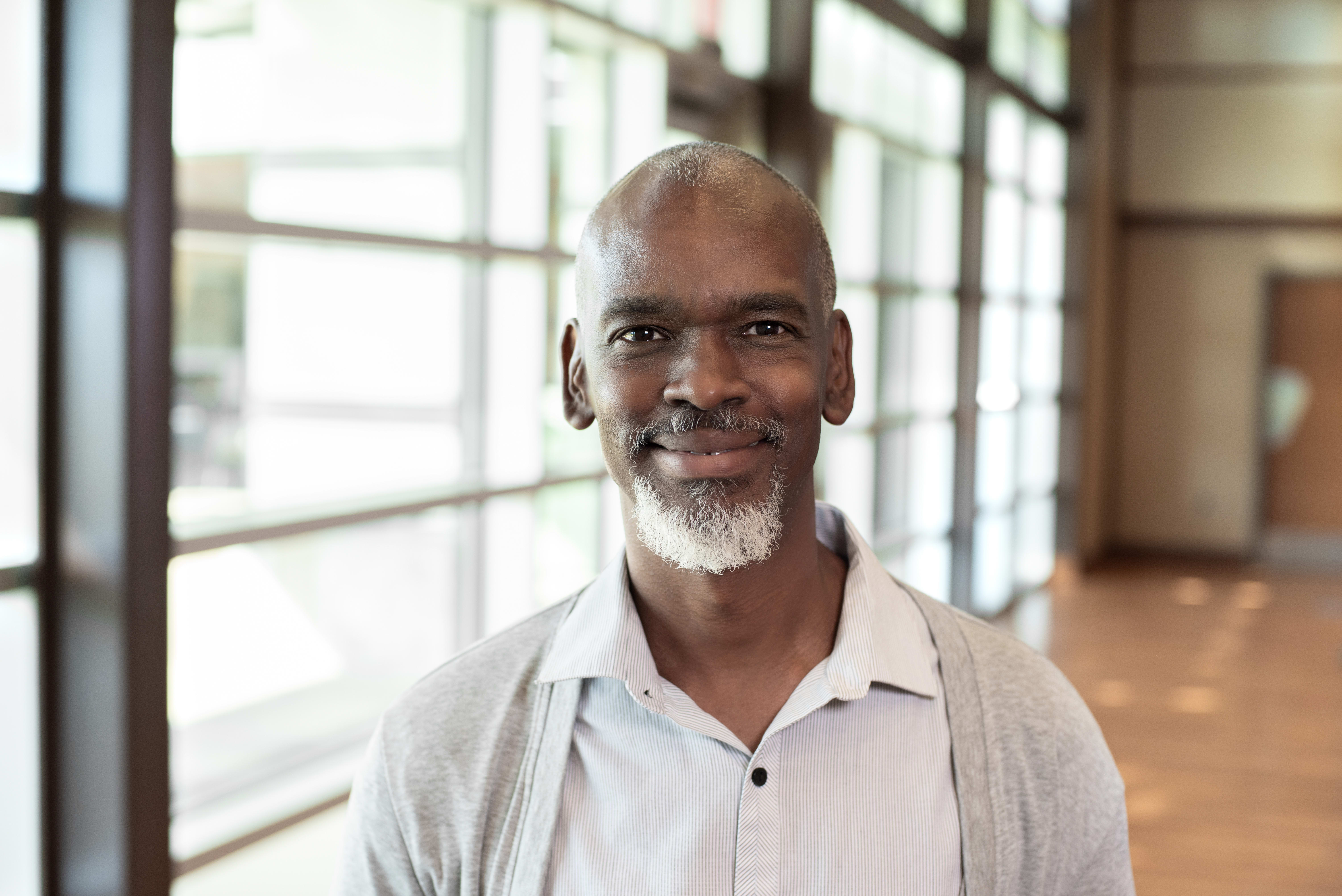
Master of divinity degree (MDiv) programs prepare graduates for ministry careers.
Graduates can lead congregations in worship services and provide pastoral care for their communities. They can also counsel individuals and groups on personal issues, matters of faith, and religious responsibilities. Clergy members make a mean annual salary of over $63,000.
During an MDiv program, graduate students build leadership, theological, and pastoral skills. Pursuing a master of divinity online gives students the flexibility to balance their studies with personal and professional obligations. Online degrees also allow students to attend top programs in the country without relocating.
Featured Online Master of Divinity Schools
15 Best Online MDiv Degree Programs
Online Master’s in Divinity Programs Ranking Guidelines
We ranked the following programs based on factors like quality, faculty strength and publications, reputation, and rankings.
Rankings MethodologyChoosing an Online MDiv Program
Prospective MDiv students should consider several factors when researching potential programs. We cover several important considerations for prospective learners below.
- Program Cost: In addition to researching tuition cost per credit, students should research any online learning fees, graduation fees, and book costs when determining the total cost of a prospective program.
- Transfer Policies: Many programs offer transfer credits for prior academic work, military training, and professional experience. Programs with generous transfer credit policies can save students time and money on a degree.
- School Size and Type: Students should consider factors such as average class size, online student support services, and a school’s alumni network when seeking the best program for their needs.
- Program Length: An online MDiv program typically takes three years to complete, but some programs offer accelerated timelines.
- On-Campus Requirements: Some online MDiv programs incorporate on-campus requirements, which students should ensure they can meet before committing to a program.
- Thesis, Fellowship, and Work Requirements: Some online MDiv degree programs have thesis or internship requirements. Students should choose a program with requirements aligned with their career goals.
What Is a Master of Divinity Degree?
Online master of divinity programs prepare graduates for ministerial leadership roles in churches, social service agencies, hospitals, and the military. Most MDiv programs require three years of full-time study. During that time, students take courses on topics like ministry studies, religious studies, ministry experience, and scriptural interpretation. Graduate students may also study religious traditions outside of their own faith. Some MDiv programs conclude with a capstone project, research paper, or senior seminar.
Applicants to master of divinity programs typically need a bachelor’s degree from an accredited institution. They must also submit essays on their religious faith and reasons for pursuing the degree. Some programs set prerequisite undergraduate courses for admission.
What’s the Difference Between a Master of Theology and a Master of Divinity Degree?
Both master of theology and master of divinity programs include coursework on religious traditions, theology, and biblical studies. However, master of theology programs emphasize academic pursuits, including textual analysis and theological theory, while master of divinity programs focus on preparing graduates for leadership roles in ministry.
During a master of theology program, students may conduct original research and write a master’s thesis. In MDiv programs, graduate students build the leadership and administrative abilities necessary for providing pastoral care to a congregation. Divinity school may also incorporate field experiences.
After earning a master of theology, graduates can enter a doctoral program or pursue academic or research positions. A master of divinity leads to ministerial roles, such as pastor, chaplain, or spiritual counselor.
Divinity Careers
Master of divinity programs prepare graduates for religious leadership roles, like minister, pastor, or preacher. Students also gain pastoral and counseling skills that prepare them for roles like military chaplain or spiritual counselor. In addition to clergy positions, graduates can pursue careers as community service managers, high school teachers, and college professors.
The following list outlines several common careers and potential salaries for graduates.
Clergy
Clergy members conduct worship services and provide pastoral care for members of their churches. They write sermons, advise their congregations, and offer spiritual guidance to individuals and groups. They also analyze religious texts and interpret them, often sharing their conclusions with their church communities. Clergy may also manage the financial and administrative needs of a church. In some churches, they perform community outreach to expand church membership and engage in fundraising for the church.
Social and Community Services Managers
Social and community services managers supervise social service programs and oversee community organizations. They identify a community’s needs for programs and services, implement programs, and analyze data on a program’s effectiveness. They may also plan outreach activities and write proposals to secure funding.
Many faith-based organizations hire social and community services managers to oversee programs that address poverty, hunger, and other social problems.
Private High School Teachers
Private high school teachers can teach a variety of subjects, depending on their educational background and the school’s needs. Some private schools hire graduates with a master of divinity to teach courses on religion and theology.
High school teachers create lesson plans, deliver lectures, and design assignments and exams to assess student abilities. They also communicate with parents and work with school administrators to carry out the school’s functions. Some private high schools may require a state-issued teaching license.
College Professors
College professors instruct students in a particular subject. MDiv graduates may teach subjects like religion, theology, or pastoral care. Professors plan lessons based on specific topics and assess student learning through assignments and exams. Many professors also conduct research and publish in scholarly journals.
Professors may also supervise graduate students, apply for grants, or serve on specialty committees at their institutions.
Frequently Asked Questions
What Does Master of Divinity Mean?
A master of divinity trains students for religious leadership roles, such as minister, pastor, and preacher.
Is a Master of Divinity a Master’s Degree?
Yes, a master of divinity is a master’s degree. Prospective students must hold a bachelor’s degree before gaining entry into a master’s program.
What Is the Study of Divinity?
The study of divinity examines theology and ministry, particularly Christian theology.
How Long Does It Take to Get a Master’s Degree in Divinity?
A master’s degree in divinity typically takes three years to complete, though some programs offer accelerated timelines.